Hi-vis looks simple: bright orange or yellow, a bit of silver tape, done. Then a principal contractor’s site rules ask for “Class D/N Level 2 to AS 4602.1:2024” and you realise the shirts in your ute might not cut it.
This guide explains the hi-vis classes in plain English, what changed in the 2024 edition of the standard, how sun protection ratings work, and how to look after hi-vis so it keeps working. It’s based on Standards Australia’s listing, summaries from major safety suppliers and a NATA accredited testing lab, checked in October 2026. We haven’t read the full paid standard, so for exact tape layouts check the garment label or the supplier. For brands and the rest of your kit, see our workwear brands guide.
The standard: AS 4602.1:2024
The Australian standard for hi-vis in high risk work is AS 4602.1:2024, High visibility safety garments, Part 1: Garments for high risk applications. Standards Australia published it on 28 June 2024. It replaces AS/NZS 4602.1:2011, and as the name shows, it’s now an Australian standard rather than a joint Australian and New Zealand one.
It covers garments for people exposed to moving traffic, moving plant or equipment in high risk situations. It doesn’t cover fire service garments, which have their own part of the standard.
A related standard, AS/NZS 1906.4:2023, sets the requirements for the fluorescent fabric and reflective materials themselves.
The three classes
| Class | Use | Fabric | Reflective tape |
|---|---|---|---|
| D | Day only | Fluorescent hi-vis colour | Not required |
| N | Night only | Non hi-vis colour allowed | Required, in set layouts |
| D/N | Day and night | Fluorescent hi-vis colour | Required, in set layouts |
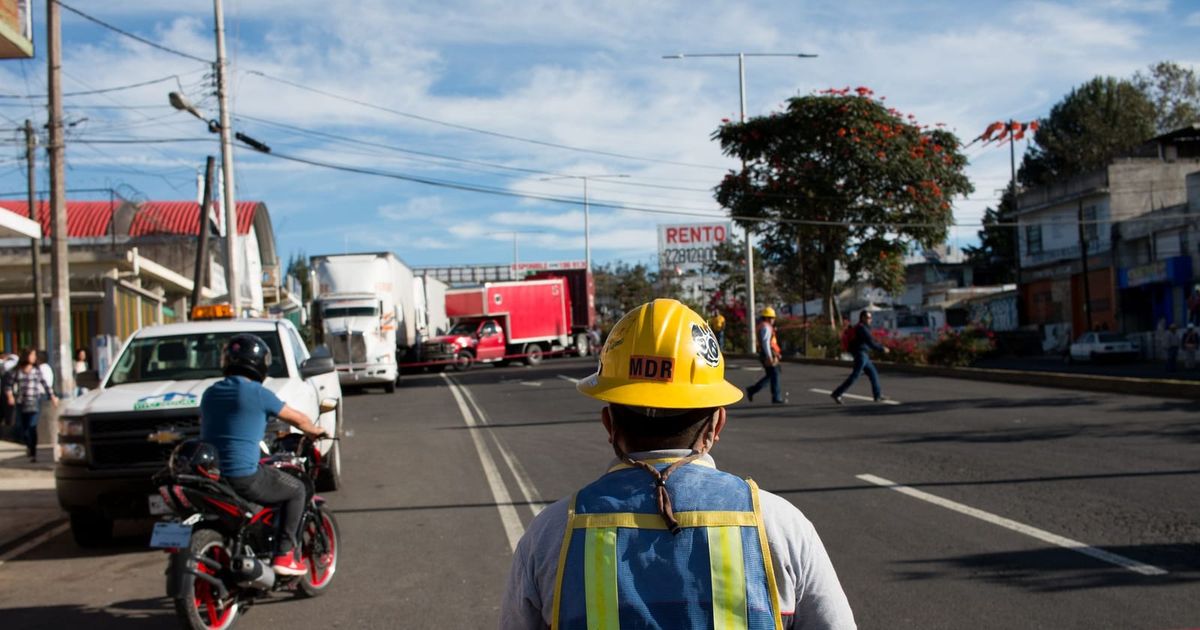
Daytime visibility comes from fluorescent fabric, which looks brighter than ordinary colours in daylight. Night visibility comes from retroreflective tape, which bounces headlight and torch light back towards its source. That’s why a plain fluorescent shirt is nearly invisible at night, and why night work needs tape.
What changed in 2024
Safety suppliers and test labs summarise two main changes:
- Levels within Class N and Class D/N. Garments are now graded by level, based on how much retroreflective tape there is and where it’s placed. Higher levels add hoops of tape around the arms, and the top level uses a biomotion layout (tape on the arms and legs that shows movement, which helps drivers recognise a person).
- Trousers and lower garments. For the first time, the standard sets requirements for trousers and the lower half of coveralls under Class N and D/N, including tape hoops on the legs. Trousers are designed to be worn with a matching level torso garment as an ensemble.
In practice, if your site asks for a level, look for the class and level on the garment label. A Class D/N shirt without arm tape is unlikely to meet the higher levels.
Colours
Fluorescent orange and fluorescent yellow are the familiar hi-vis colours. The 2023 materials standard added pink and green to the designated colour spaces. Some sites and industries specify a colour, for example to tell different roles apart or to stand out against the background, so check site rules.
Sun protection: UPF ratings
Most tradies wear hi-vis outdoors all day, so sun protection matters as much as visibility. Sun protective clothing is rated under AS 4399:2020. According to the RSEA catalogue’s summary of the standard:
| UPF rating | Classification | UV blocked |
|---|---|---|
| 15 | Minimum protection | 93.3% |
| 30 | Good protection | 96.7% |
| 50 and 50+ | Excellent protection | 98% |
The rating applies to the fabric, not the garment design. A UPF 50+ short sleeve shirt still leaves your arms exposed. Long sleeves, a collar and a hat do more than the number on the label.
Shirts: the practical choices
- Long or short sleeve. Long sleeves give more sun protection and are often required on building sites. Many hi-vis shirts have vented backs or underarms to help in summer.
- Cotton drill or polyester. Cotton drill is durable and comfortable but heavier when wet. Polyester and blends are lighter and dry faster but can feel hot and hold odour.
- Taped or untaped. If you work early mornings, late afternoons or near traffic and plant, taped D/N garments cover both day and night. Untaped Class D shirts are fine for daytime only work where that’s allowed.
- Pockets and features. Pen pockets, phone pockets and a button-down collar all help on site.
Workwear brands such as Hard Yakka and KingGee sell hi-vis shirts in a range of classes. Check the label for the class, the standard edition (2024 or the older 2011) and the UPF rating before you buy. We haven’t checked which specific products are certified to the 2024 edition.
Browse hi-vis shirts at Workwear Hub Affiliate link. Opens the merchant site in a new tab.
See hi-vis work shirts on Amazon Australia Affiliate link (paid link). Opens Amazon in a new tab. Check the listing and the label show the class and the standard.
Hi-vis for different kinds of work
What you need depends heavily on where you work. Some broad patterns, which your site rules override:
- Domestic jobs. Often no hi-vis requirement at all inside a house, though many tradies wear it anyway so customers and neighbours can see who’s who.
- Building sites. Principal contractors commonly require hi-vis on site, and many specify long sleeves. Some now ask for a class and level.
- Road and traffic work. Usually the strictest requirements, set by the traffic management plan and the road authority. Night work typically needs D/N garments with tape, and sometimes trousers with tape as well.
- Mines and industrial sites. Often have their own rules on colour, class and tape, plus extra requirements such as flame resistant fabric.
Pants and full ensembles
Under the 2024 standard, trousers can now be part of a rated ensemble. A Class N or D/N ensemble pairs a torso garment of a set level with trousers that have tape hoops on the legs. For most daytime trade work, ordinary work pants with a rated shirt is still the norm, but for road and night work, ask whether taped pants are required.
Looking after hi-vis
- Wash as the label says. Hot washes, bleach and fabric softener can damage fluorescent fabric and reflective tape.
- Don’t tumble dry hot unless the label allows it.
- Inspect regularly. RSEA’s catalogue suggests garments in constant use should be critically examined every three to six months, and replaced when badly damaged, soiled or faded, or when the reflective tape no longer works properly.
- Keep them clean. A shirt caked in mud or concrete isn’t very visible.
See Hard Yakka hi-vis Affiliate link. Opens the merchant site in a new tab.
Tax
The ATO generally treats hi-vis as protective clothing, so it’s usually deductible when used for work. Keep receipts. Our sole trader setup guide covers record keeping and other deductions.
Quick checklist
- Ask your site or principal contractor what class and level they require.
- Check the label for AS 4602.1:2024 (or the older 2011 standard), the class and the level.
- For any early, late or night work near traffic or plant, look at D/N with tape on the arms.
- Check the UPF rating, and favour long sleeves for full days outdoors.
- Replace faded or damaged garments.
Your boots matter too: our work boots guide decodes the safety ratings on Australian work boots.
Common questions
What's the difference between Class D and Class D/N hi-vis?
Class D garments are for daytime use and rely on fluorescent fabric. Class D/N garments are for day and night use and combine fluorescent fabric with retroreflective tape that shows up in headlights. Class N is night only, and the fabric doesn't have to be a hi-vis colour.
Do I have to replace my old hi-vis because of the 2024 standard?
The standard itself doesn't make existing garments illegal. What you must wear depends on your workplace's risk assessment and the requirements of your employer or principal contractor. Some sites may start specifying AS 4602.1:2024 garments, so check with them.
How often should hi-vis be replaced?
Garments should be replaced when they're badly damaged, soiled or faded, or the reflective tape is no longer working well. One major safety supplier suggests examining garments in constant use every three to six months.
Can I claim hi-vis on tax?
The ATO generally allows deductions for protective clothing such as hi-vis used for work. Keep your receipts and check the ATO guidance for your occupation.