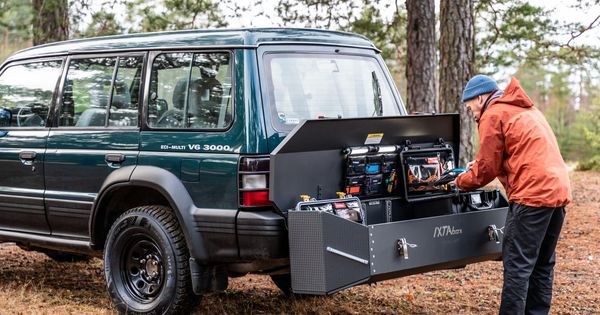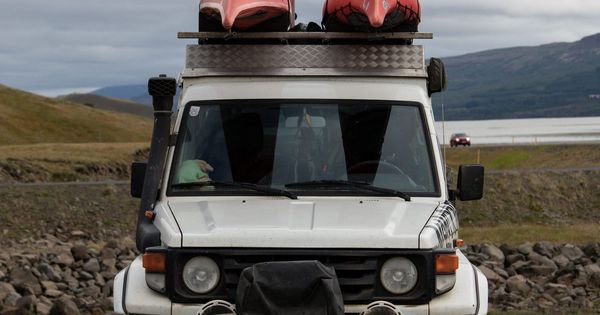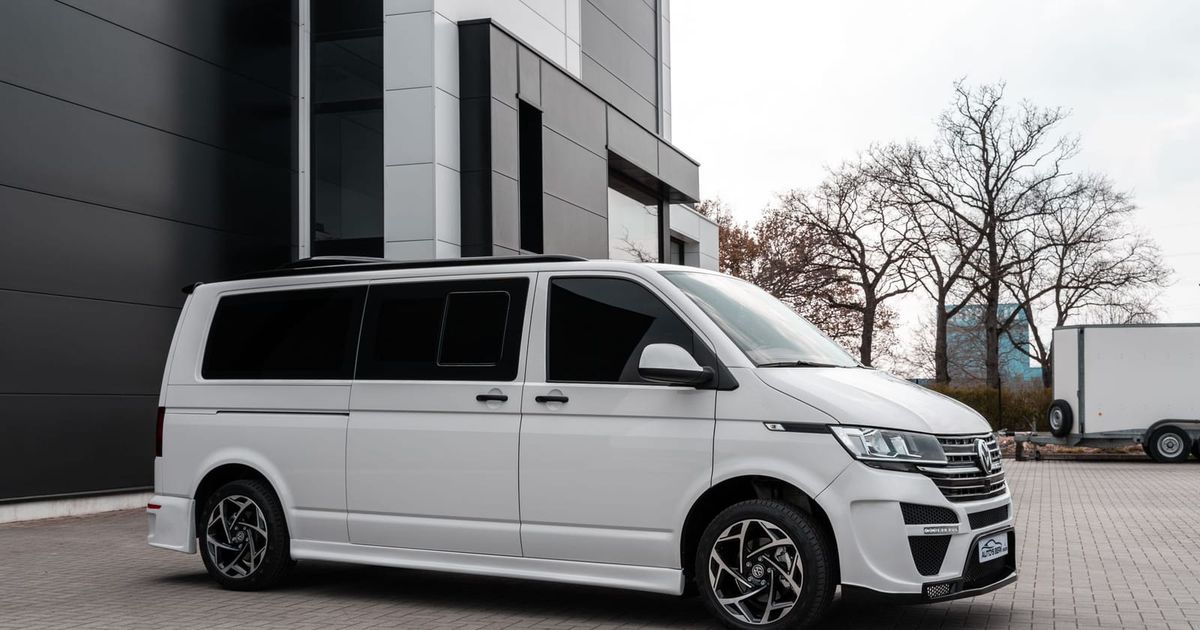
The ute is the default tradie vehicle in Australia, but plenty of sparkies, plumbers and service techs end up in a van and don’t look back. The right answer depends on what you carry, where you park and how much of your gear needs to stay dry and locked away.
This guide covers the practical trade-offs and the tax rules that apply to each. Tax figures are from the ATO, checked in October 2026. We haven’t published running cost figures, because fuel use, servicing and insurance vary so much by model, engine and how you drive. We show you where to compare those for the models on your list instead. This is general information, not tax advice.
Ute vs van at a glance
| Ute (tray or tub) | Van | |
|---|---|---|
| Tools out of sight and dry | Partly, with a canopy or drawers | Yes |
| Long, dirty or awkward loads | Yes | Partly |
| Shelving and organised storage | Partly | Yes |
| Towing | Often strong | Varies by model |
| Off-road and rough sites | Often better | Usually not |
| Room to work or eat out of the weather | No | Yes |
“Partly” means it depends on the model and fit-out. A ute with a lockable canopy and drawers closes much of the security gap, at a cost. Our ute tool storage comparison covers drawers, canopies and toolboxes.
Which trades tend to suit which
- Service trades (sparkies, plumbers, HVAC, locksmiths) carry lots of small parts and tools. A van with shelving keeps stock organised and visible, and out of the rain.
- Carpenters, landscapers and concreters carry timber, sleepers, barrows and dirty gear. An open tray is easier to load and hose out.
- Anyone on rural or rough sites may need four-wheel drive, which is far more common in utes.
- Anyone carrying ladders or long lengths can do it on either, with the right rack. See our roof rack and ladder rack guide for load ratings.
Tax: the 1 tonne test matters more than the body shape
The ATO says a vehicle with a carrying capacity of 1 tonne or more, or one that carries 9 or more passengers, isn’t treated as a car for tax purposes. For those vehicles, you claim actual expenses for the business portion: fuel, servicing, repairs, registration, insurance, loan interest and depreciation. The cents per kilometre method doesn’t apply.
For a vehicle that is a car (designed to carry less than 1 tonne and fewer than 9 passengers), the car limit caps the cost you can use for depreciation. The ATO says the car limit for 2026 to 27 is $69,883, and the maximum GST credit on a car costing more is generally $6,353.
Work out carrying capacity with the ATO’s formula: gross vehicle mass from the compliance plate, minus the kerb weight. Don’t assume. Some dual cab utes come in under 1 tonne, and van carrying capacities vary widely by model and wheelbase.
FBT if your workers drive it
If an employee uses a business vehicle privately, fringe benefits tax can apply. The ATO says there’s no FBT where the vehicle is an eligible vehicle and private use is limited to:
- travel between home and work
- travel incidental to work
- other private use that’s minor, infrequent and irregular
Eligible vehicles include a single cab ute, a panel van or goods van, and a dual cab ute only if it’s designed to carry 1 tonne or more, more than 8 passengers, or isn’t designed mainly to carry passengers. The ATO has warned that many dual cabs don’t meet the test, and that weekend trips, school runs and family use generally fail it.
That makes vans and single cabs the simpler choice for employers with staff taking vehicles home.
Running costs: compare the actual models
Rather than quote averages that won’t match the vehicle you buy, compare the shortlist directly:
- Fuel. The Australian Government’s Green Vehicle Guide lists tested fuel consumption for new models. Real use, loaded and towing, will be higher.
- Insurance. Get quotes for each model, with your tools and fit-out declared.
- Servicing. Check the manufacturer’s capped price servicing and intervals.
- Tyres. Light truck tyres on vans and utes vary a lot in price.
- Fit-out. Shelving for a van, or a canopy and drawers for a ute, can add thousands. Price it in from the start.
Security matters too. Tools insurance usually has conditions about how tools are stored in a vehicle. Our tools insurance guide explains the common conditions.
How to decide
- List what you carry every day, by size, weight and value.
- Decide what has to be locked and dry.
- Check where you park, at home and on jobs. Height limits in car parks rule out high-roof vans.
- Shortlist two or three models of each type and check the carrying capacity on the compliance plate.
- Price the full setup: vehicle, fit-out, insurance and servicing.
- Ask your tax agent how the 1 tonne test, the car limit and FBT apply to you.
Common questions
Is a ute or van better for tax?
Neither automatically. The ATO treats a vehicle designed to carry 1 tonne or more, or 9 or more passengers, as not a car, so you claim actual expenses for the business portion and the car limit doesn't apply. Many vans and some utes meet that test. Check the carrying capacity of the exact model and talk to a registered tax agent.
What is the car limit for 2026 to 27?
The ATO says the car limit for 2026 to 27 is $69,883. It's the most you can use to work out depreciation on a car first used or leased in that year. The maximum GST credit on a car above the limit is generally $6,353.
How do I work out carrying capacity?
The ATO's formula is the gross vehicle mass (from the compliance plate) minus the unladen or kerb weight. If the answer is 1,000 kg or more, the vehicle is designed to carry 1 tonne or more.
Do dual cab utes attract FBT?
They can. The ATO says a dual cab is only an eligible vehicle if it's designed to carry 1 tonne or more, more than 8 passengers, or isn't designed mainly to carry passengers. Even then, private use must be limited to home to work travel, work-related travel and minor, infrequent and irregular use.
Can I use the instant asset write-off on a ute or van?
The ATO lists a car or ute among assets that may qualify, but the $20,000 limit is per asset, and most new utes and vans cost more than that. If the vehicle costs more, normal depreciation rules apply. Check with your tax agent.
Sources we checked
- ATO: Car thresholds from 1 July (2026 to 27, published 9 June 2026)
- ATO: Exempt use of eligible vehicles (FBT)
- ATO: Why your dual cab utes may attract FBT
- ATO: Tradies, be certain about what you can claim
- ATO: $20,000 instant asset write-off (permanent from 1 July 2026)
- Green Vehicle Guide (Australian Government)