Most tradies first think about public liability when a builder emails asking for a certificate of currency. It’s the cover people ask to see more than any other, and it’s also the one people misunderstand most about what it does and doesn’t pay for.
This guide explains how public liability works for Australian tradies, the limits you’ll usually be asked for, the Victorian licence rules for plumbers and electrical contractors, and the common exclusions. It’s based on regulator guidance and insurer policy summaries checked in October 2026. It’s factual information about how this type of cover works, not a recommendation of any policy or limit. For the bigger picture, our tradie insurance guide covers every main type of cover in one place.
What public liability covers
Public liability insurance covers your legal liability to other people if your business activities cause them injury or damage their property. It usually pays compensation and legal costs, up to the limit on your policy.
Some everyday examples of the kind of incident it’s designed for:
- A customer trips over your extension lead in their hallway and breaks a wrist.
- Your ladder slips and smashes a glass sliding door.
- A pipe joint you made leaks overnight and damages the floor and ceiling below.
- A spark from your grinder burns a neighbour’s outdoor furniture.
For tradies, it’s often sold as public and products liability. Products liability covers claims arising from products you sell, supply or install, such as a tap, light fitting or hot water unit that fails and causes damage.
What it doesn’t cover
These gaps cause most of the nasty surprises at claim time. Policy wordings differ, so the PDS is the final word, but common exclusions include:
| Situation | Usually covered by public liability? | Where cover might come from |
|---|---|---|
| Your own injury | No | Personal accident or income protection |
| Your own tools stolen or damaged | No | Tools or portable equipment cover |
| Redoing your own faulty work | No | Generally not insurable, sometimes partly under other covers |
| Damage your faulty work causes to other property | Often yes, check wording | Public liability |
| Advice or design you’re paid for | No | Professional indemnity |
| Injury to your employees | No | Workers compensation (compulsory if you employ) |
| Work you didn’t declare to the insurer | May not be covered | Declare all work types |
The last row matters more than people think. If you told the insurer you’re a carpenter and a claim comes from roofing work, the insurer may decline it. Policies are priced on the occupation and activities you declare, so the declaration needs to match what you actually do.
How much cover? The common limits
Public liability is commonly offered with limits of $5 million, $10 million or $20 million. The limit is the most the insurer will pay for a claim, or for all claims in a period, depending on how the policy is written.
In practice, three things set the minimum limit for most tradies:
- The law, for some licensed trades. See the Victorian rules below.
- Your clients. Builders, facility managers, councils and strata managers set a minimum in their subcontractor or supplier paperwork. Commercial and government work often asks for $10 million or $20 million.
- Your own risk. The type of property you work on and what could go wrong if something did.
The right limit depends on your circumstances, which is why insurers and brokers ask about your trade, turnover and clients. We can’t tell you what limit suits you. A licensed insurance broker can give you advice, and online quote services show prices for different limits.
Victoria: the rules for plumbers and electricians
Two Victorian trades have a legal minimum, checked in October 2026:
- Licensed plumbers. The Building and Plumbing Commission (BPC, formerly the VBA) says all licensed plumbers must provide evidence of insurance before a licence is issued or renewed. The certificate of currency must show public liability cover of at least $5 million, be in the plumber’s full legal name, and include a statement that the insurance complies with the 2002 Ministerial Order for licensed plumbers (or the separate order for Type B gasfitting). It’s an offence to work as a licensed plumber without the required insurance.
- Registered electrical contractors (RECs). Energy Safe Victoria requires RECs to hold current public liability insurance of at least $5 million for injury or property damage connected with electrical contracting work. The cover must be in the registered contractor’s name, matching the trading name if you use a business name.
Other states and other trades have their own rules, and they change. Check with your licensing body. Homeowners can use these rules too: our Melbourne electrician cost guide and plumber cost guide explain what paperwork to expect from a licensed tradie.
Certificates of currency
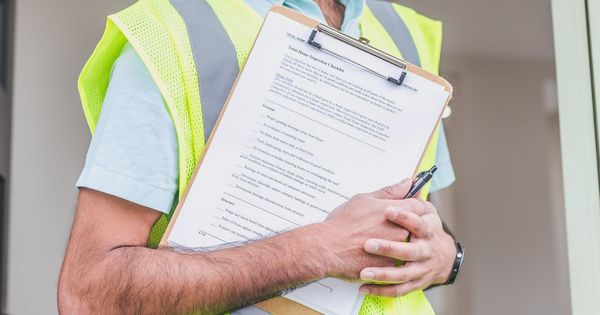
A certificate of currency is a short document from your insurer that confirms:
- the insured’s name (and business name, if you use one)
- the type of cover and the limit
- the policy number and period of insurance
- the insurer’s name
Keep a current PDF on your phone. Builders will ask before you start, some homeowners ask, and licensing bodies need it at renewal. When your policy renews, the old certificate goes out of date, so send the new one to regular clients. A job management app can store it against your business profile. Our ServiceM8 vs Tradify vs Fergus comparison covers which apps handle documents and compliance forms.
What affects the price
We haven’t published premiums because they depend on too many individual details for a single figure to be useful. Insurers commonly ask about:
- your trade and the activities you do
- annual turnover and the number of workers
- the limit you choose and the excess
- claims history
- where you work and whether you do domestic or commercial jobs
- high risk activities such as heights, hot work or asbestos
Premiums for business insurance such as public liability are generally a deductible business expense. Check how it applies to you with a registered tax agent.
Ways to buy
There are two common routes, and each works differently:
- A licensed insurance broker can consider your circumstances and give advice, arrange cover across insurers and help with claims. Brokers must hold an AFS licence or be authorised under one, and must tell you how they’re paid. You can check a licence on ASIC’s professional registers.
- An online quote service shows quotes from a panel of insurers and lets you buy online. BizCover is one example. These services generally don’t consider your personal circumstances, so you choose the cover and limit yourself.
Whichever route you use, read the PDS for the policy, check the Target Market Determination (TMD) to see who the product is designed for, and make sure the occupation and activities on the policy match your work.
See BizCover public liability quotes Affiliate link. We may be paid a commission if you buy. Not a recommendation of any policy: read the PDS and TMD first.
Before you buy or renew: a checklist
- Write down every type of work you do, including the occasional jobs.
- Check whether your licence requires a minimum limit. In Victoria, plumbers and RECs need at least $5 million.
- Ask your regular builders and clients what limit and wording they require.
- Read the exclusions for heights, hot work, underground work and workmanship.
- Check the certificate of currency shows your correct legal name and business name.
- Diary the renewal date. A lapsed policy means no cover, and for some trades, no licence.
- Look at the gaps public liability leaves: your tools (see our tools insurance guide) and your income (see income protection vs personal accident).
If you’re just starting out, our guide to setting up as a sole trader tradie shows where insurance fits alongside your ABN, GST and licence.
Common questions
Is public liability insurance compulsory for tradies?
For some trades it is. In Victoria, licensed plumbers must show a certificate of currency for at least $5 million of public liability cover before the Building and Plumbing Commission issues or renews a licence, and registered electrical contractors must hold at least $5 million of cover under Energy Safe Victoria's rules. For other trades it may not be a legal requirement, but many builders, councils and commercial sites ask for it before you start.
What's the difference between public liability and products liability?
Public liability covers injury or property damage caused by your work or business activities. Products liability covers claims caused by products you sell, supply or install. Tradie policies are often sold as public and products liability, combining both.
Does public liability cover faulty workmanship?
Generally not the cost of fixing the work itself. It may respond to damage the faulty work causes, such as a ceiling ruined by a leak, depending on the policy wording. Check the PDS for workmanship exclusions.
What is a certificate of currency?
A one page document from the insurer confirming your policy is current, the period of cover and the limit. Builders, facility managers and licensing bodies ask for it as proof of cover.